Father Christmas, Santa Claus & the Magic of Christmas
Core PathWay
1 🌐 Father Christmas & Traditions’
Every Christmas Eve, children around the world wait excitedly for Father Christmas (also called Santa Claus) to arrive. This jolly old man with a white beard and red suit lives at the North Pole with his team of elves in a magical workshop. He travels in a sleigh pulled by nine reindeer, led by Rudolph, the famous red-nosed reindeer whose glowing nose lights the way through the dark winter sky. Children hang up their stockings by the fireplace and leave out mince pies and carrots as treats. Santa comes down the chimney carrying a huge sack of presents, which he delivers to good children who are on his nice list. His famous laugh, ‘ho ho ho,’ and his generous spirit make him the most beloved gift-bringer of the festive season. Different cultures have their own names for this magical figure, from Sinterklaas in the Netherlands to Père Noël in France.
Key Terms
💬 Planning Christmas Eve
A parent and child discussing preparations for Santa’s visit on Christmas Eve evening
2 🔬 The Key Phrases you need for ‘Christmas , Father Christmas & Traditions’
put up decorations – to fix Christmas ornaments, lights, and other festive items in your home to make it look nice for the holiday
*We always put up decorations on the first weekend of December.*
hang up stockings – to fix large Christmas socks on the wall or fireplace so Santa can fill them with small presents
*The children hang up their stockings before they go to bed on Christmas Eve.*
leave out treats – to put food and drinks in a place for someone (usually Santa and his reindeer) to find and eat later
*Don’t forget to leave out mince pies and milk for Santa tonight!*
come down the chimney – to enter a house by moving down through the pipe that takes smoke from the fireplace to the roof
*Children believe that Santa comes down the chimney to deliver their presents.*
fill stockings – to put small presents and sweets inside the large Christmas socks that children hang up
*Santa fills stockings with toys, chocolate, and fruit.*
deliver presents – to take and give gifts to people at their homes
*Santa has to deliver presents to millions of children in one night.*
wrap presents – to cover gifts with special coloured paper before giving them to someone
*I spent all evening wrapping presents for my family.*
write to Santa – to send a letter to Father Christmas asking for presents and telling him you’ve been good
*My daughter wrote to Santa asking for a new bike.*
believe in Santa – to think that Father Christmas is real and truly brings presents
*Most children believe in Santa until they are about seven or eight years old.*
stay up late – to not go to bed at your normal time; to remain awake longer than usual
*The kids want to stay up late on Christmas Eve to see Santa.*
sneak downstairs – to move quietly down the stairs so nobody hears you, usually to do something secret
*On Christmas morning, children sneak downstairs early to see their presents.*
track Santa – to follow and watch where Santa is on his journey around the world using technology
*Many websites let you track Santa on Christmas Eve to see when he’ll arrive in your country.*
Key Terms
💬 Explaining Santa to a Friend
Two friends from different countries discussing Christmas traditions and comparing how they celebrate
3 🔍 Other Key Terms for ‘Christmas Decorations, Celebrations and Traditions’
naughty list – Santa’s list of children who have behaved badly during the year and might not receive presents
*If you don’t behave, you’ll end up on the naughty list!*
Christmas Eve – the evening and night before Christmas Day (24th December)
*Santa delivers all his presents on Christmas Eve while children are sleeping.*
rooftop – the outside surface on top of a building; the flat or pointed top of a house
*Santa’s reindeer land on the rooftop before he climbs down the chimney.*
belly – the round, soft part at the front of your body below your chest; your stomach area
*Santa is famous for his big round belly that shakes when he laughs.*
magical – having special powers that cannot be explained by science; creating a feeling of wonder
*Christmas is a magical time for young children who believe in Santa.*
legend – an old story from the past that many people know but might not be completely true
*The legend of Santa Claus is based on a real person called Saint Nicholas.*
tradition – Something that people in a family, country, or culture have done in the same way for many years
*Leaving out mince pies for Santa is a British Christmas tradition.*
generosity – The quality of being kind and giving things to others, especially money or presents
*Santa Claus represents the spirit of generosity at Christmas.*
folklore – Old stories, beliefs, and customs that people in a country or area have passed down through families
*Santa Claus appears in the folklore of many different countries.*
Saint Nicholas – A real Christian bishop who lived long ago and was famous for secretly giving presents to poor people; the historical person that Santa Claus is based on
*Saint Nicholas was a generous man who helped children, which is why he became associated with Christmas.*
Babbo Natale – The Italian name for Father Christmas
*In Italy, children wait for Babbo Natale to bring their presents.*
Papá Noel – The Spanish name for Father Christmas (used in Spain and Latin America)
*In Spain, some families celebrate with Papá Noel on Christmas Eve.*
Ded Moroz – The Russian name for the gift-bringer at New Year; it means ‘Grandfather Frost’
*Ded Moroz wears a long blue coat and brings presents on New Year’s Eve in Russia.*
Julenissen – The Norwegian name for the Christmas gnome or elf who brings presents
*In Norway, Julenissen is a small magical creature who lives in barns and brings gifts.*
Dasher, Dancer, Prancer, Vixen, Comet, Cupid, Donner, and Blitzen – The names of Santa’s eight original reindeer (Rudolph joined later)
*Santa’s reindeer team includes Dasher, Dancer, and six others, plus Rudolph who leads them.*
Key Terms
💬 Christmas Morning Excitement
Two siblings talking early on Christmas morning, excited about Santa’s visit
4 🧠 Worth Thinking About
Rudolph the Red-Nosed Reindeer wasn’t part of the original Santa story – he was created in 1939 by an American department store as a marketing idea! The poem that names Santa’s eight original reindeer was written in 1823. Interestingly, Santa’s red suit became standard only after Coca-Cola advertisements in the 1930s – before that, he wore various colours including green, brown, and blue. In some countries, the gift-bringer isn’t Santa at all: in Italy, a kind witch called La Befana brings presents on 6th January, while in Iceland, thirteen different ‘Yule Lads’ visit children on the thirteen nights before Christmas, each with their own personality and tricks!
Member-Exclusive Vocabulary Review & Acquisition System
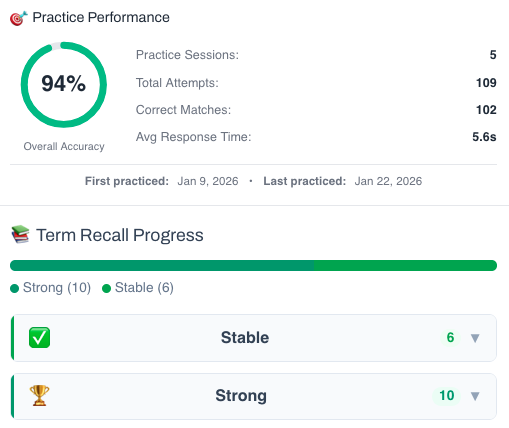
This isn’t a simple quiz — it’s a fully tracked learning system. You build knowledge through recognition, then recall, and your progress feeds directly into the Integrated Practice Bar (Writing tasks, AI Chat, and more).
- Practice sessions, accuracy, and response-time tracking
- Term strength levels (Learning → Stable → Strong)
- Personal progress history for each unit
This feature is available to YSP members.
Explore Membership Benefits🎮 Practice Games
Section 1 – Fill in the Gaps
Father Christmas – Section 1
Member-Exclusive Cloze Test
Fill in the gaps to complete authentic passages and reinforce your vocabulary in context.
This feature is available to YSP members.
Explore Membership BenefitsSection 2 – Fill in the Gaps
Father Christmas – Section 2
Member-Exclusive Cloze Test
Fill in the gaps to complete authentic passages and reinforce your vocabulary in context.
This feature is available to YSP members.
Explore Membership BenefitsSection 3 – Fill in the Gaps
Father Christmas – Section 3
Member-Exclusive Cloze Test
Fill in the gaps to complete authentic passages and reinforce your vocabulary in context.
This feature is available to YSP members.
Explore Membership BenefitsSentence Scrambler
Father Christmas – Sentence Scramble
Member-Exclusive Sentence Builder
Reconstruct scrambled sentences to practice word order and develop your grammar intuition.
This feature is available to YSP members.
Explore Membership Benefits